
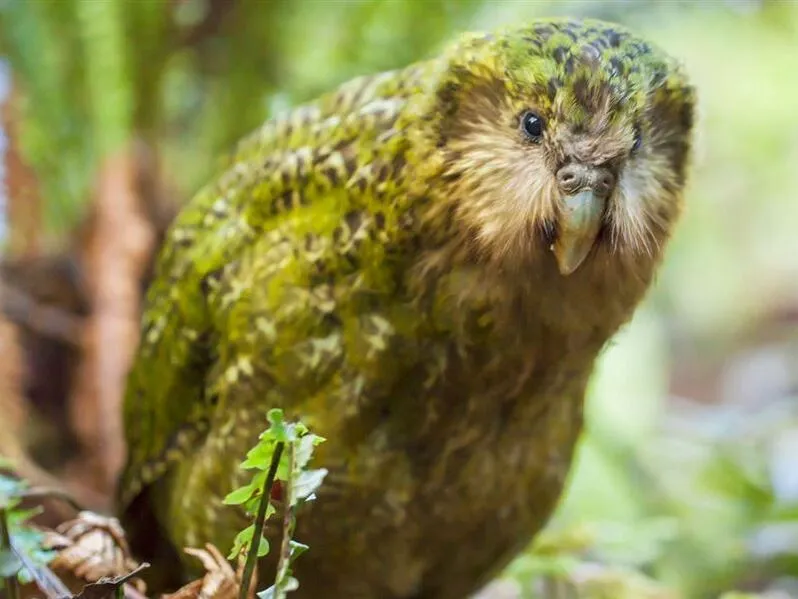
Fossil evidence unearthed in the 1970s & 80s found that Kākāpō, Tuatara, Takahe and moa once thrived in the area. During the construction of the new state highway (original road was moved due to the construction of the hydroelectric dam) nests, bones, feathers and eggs were found along the Cromwell Gorge.
It is believed that Kākāpō were once abundant all over Central Otago until humans arrived, some 800 years ago. Hunting from humans and Polynesian Kuri (dog) caused population collapse across all of NZ with Kākāpō almost extinct from the North Island in 1843. There are now fewer than 250 Kākāpō left and are all found on uninhabited and pest-free islands.
It would be amazing if one day we could have them back on the mainland and roaming around the Cromwell region. Effective pest eradication, reforestation and breeding programmes are needed to make the reintroduction of endangered birds to the region a possibility in the distant future.
To read more one the fossils found in the area and why they were important to maori: https://notornis.osnz.org.nz/.../files/Notornis_53_1_191.pdf
Keep the kids entertained during lockdown (or yourself) with this cool colouring paper of our beautiful Kākāpō: https://www.doc.govt.nz/.../kakapo-colouring-sheet-zen...
See how DOC is working to save them from extinction: https://www.doc.govt.nz/our-work/kakapo-recovery/