
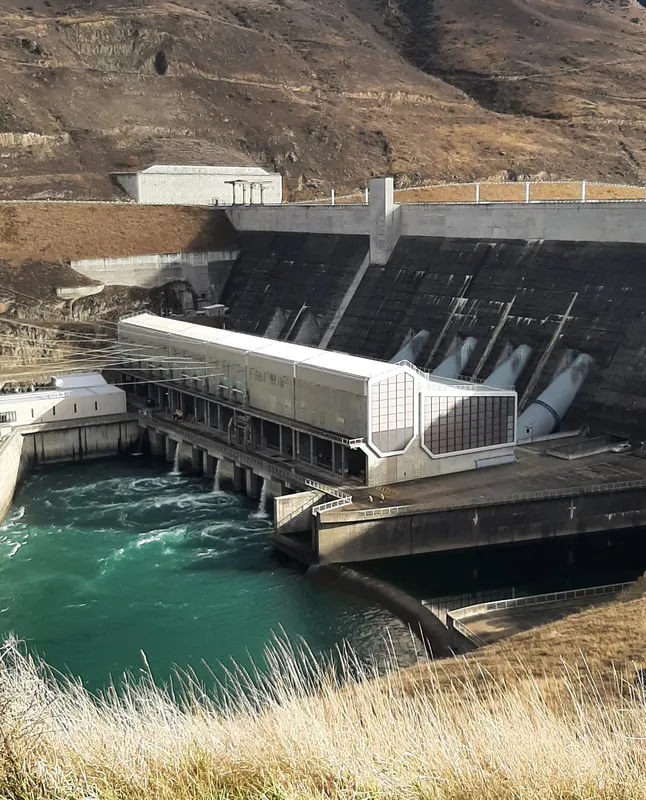
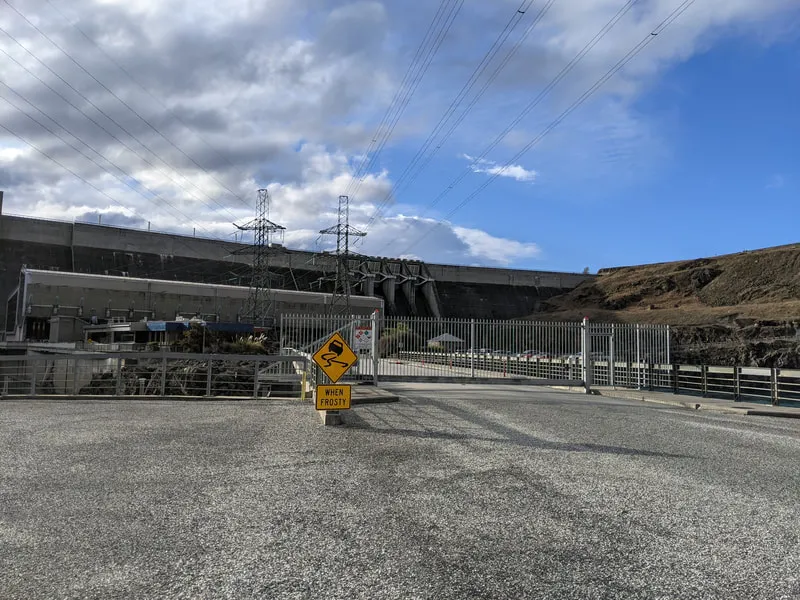
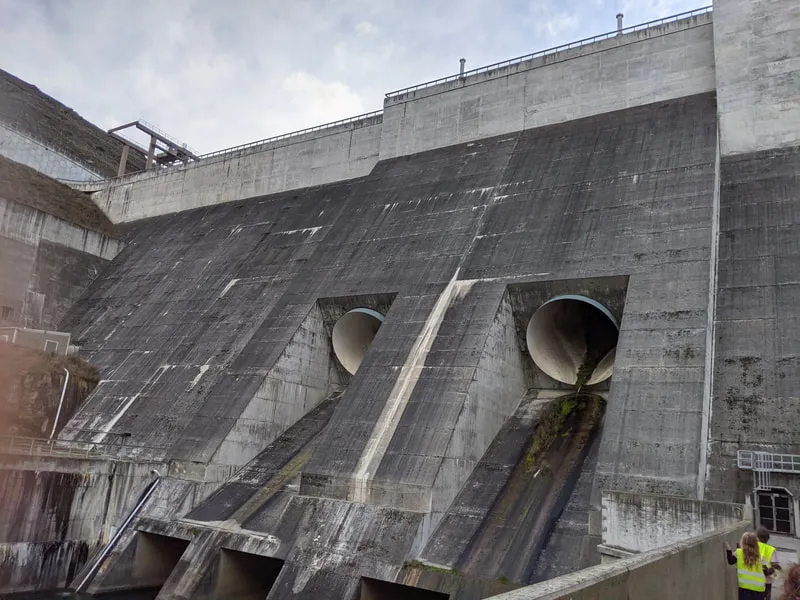
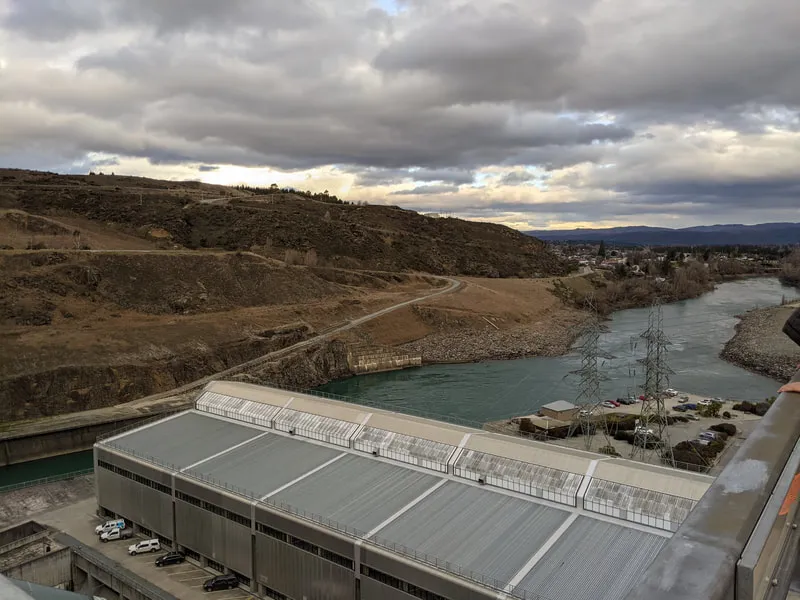
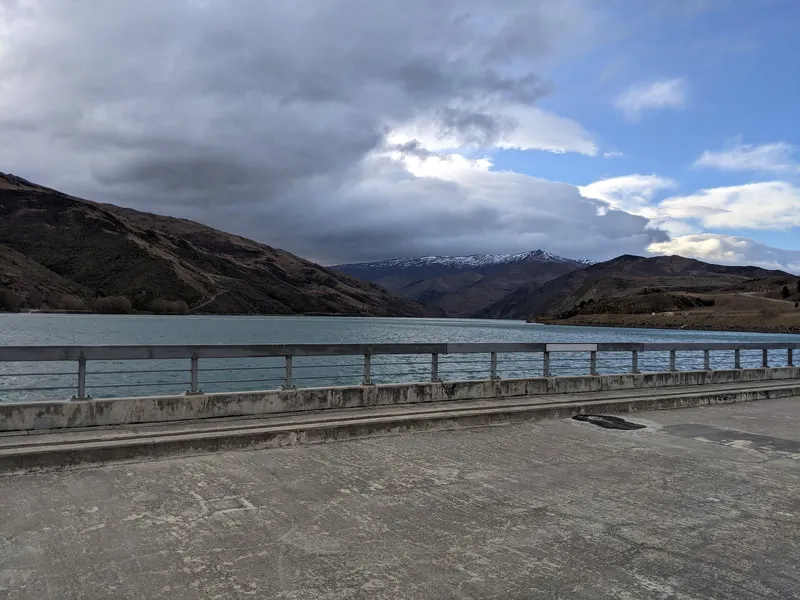
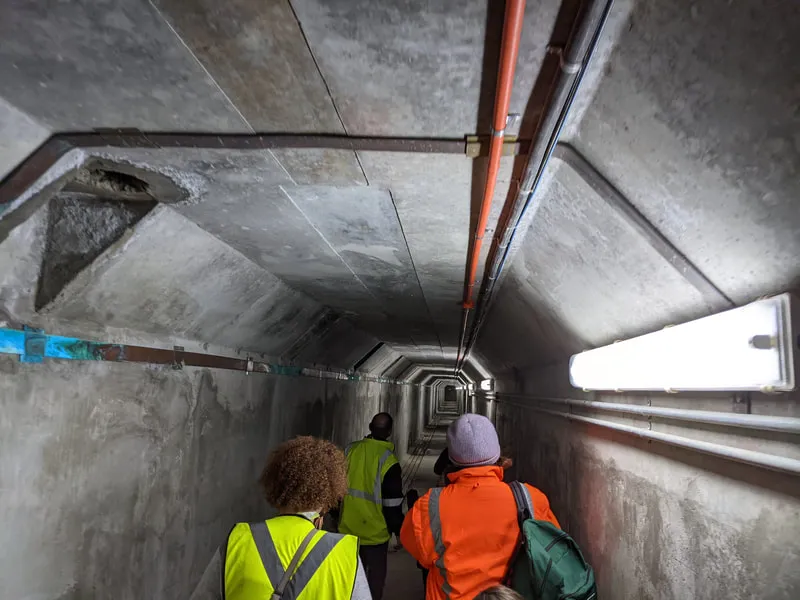
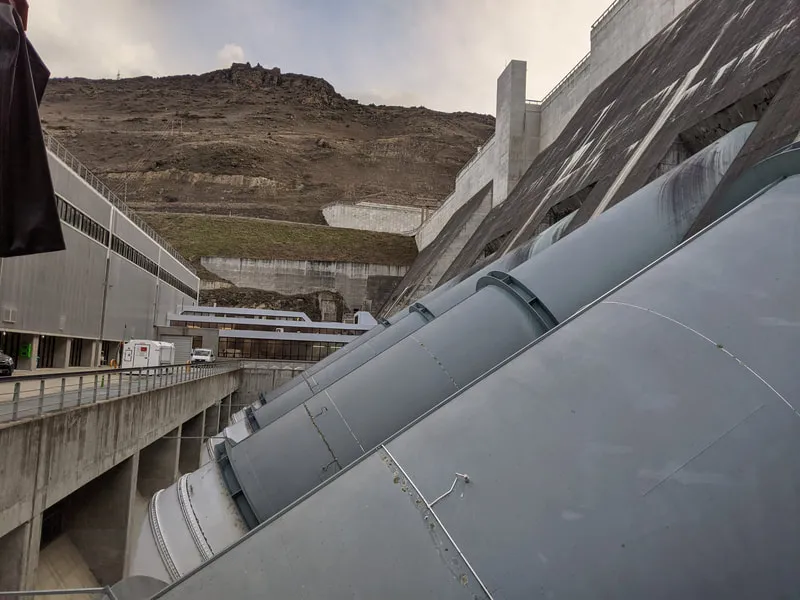
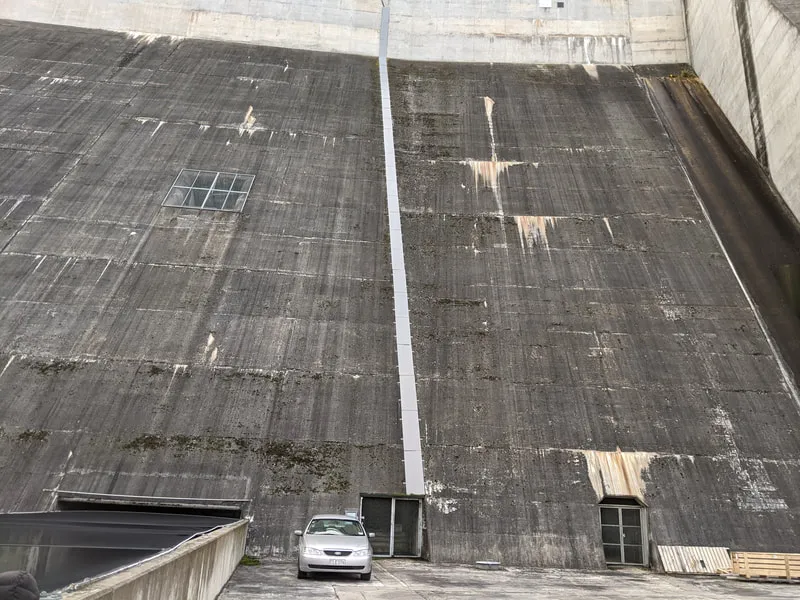
Yesterday, our community coordinator, Megan, went on a tour of the Clyde Dam with the local Brownies & Girl guides. They learned about the incredible engineering that went into building the dam, how it keeps up with power demand and how they monitor for natural disasters.
The dam was built between 1982 & 1993, with the filling of the lake taking two years! It quickly became the most expensive dam ever built in NZ due to the discovery of a fault line below the site. The dam had to be redesigned to cope with a potential magnitude 9 earthquake.
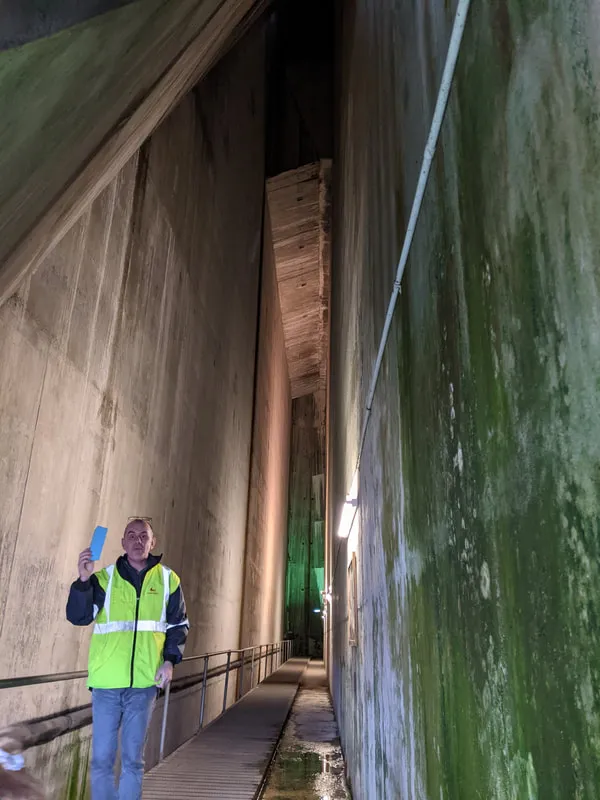
The Clyde Dam is actually two dams that allow for it to move separately horizontally or vertically to cope with the ground movement. In between the dams is a slip-joint (huge concrete block) that would fall in between to secure the dam after movement.
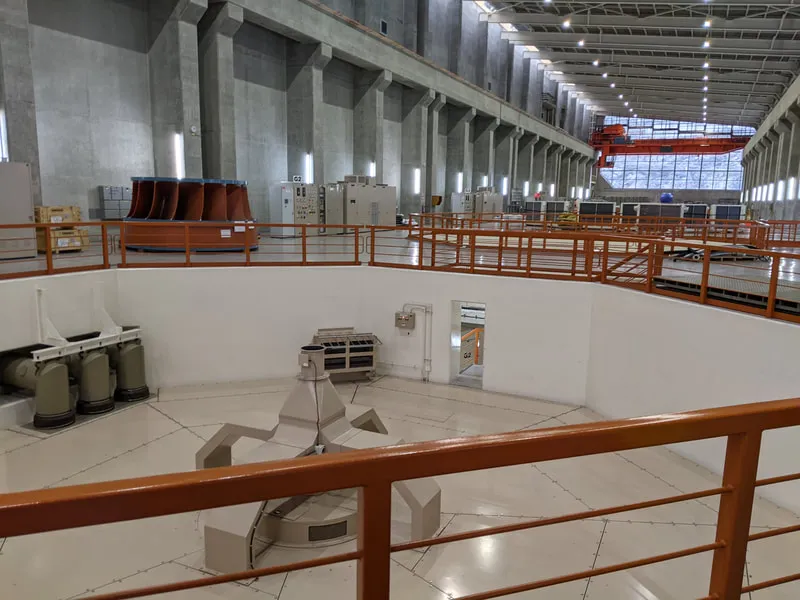
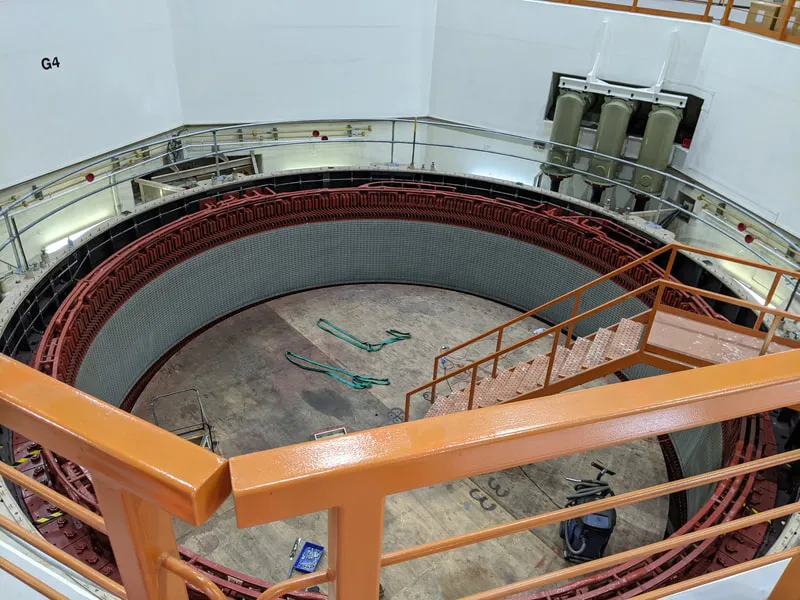
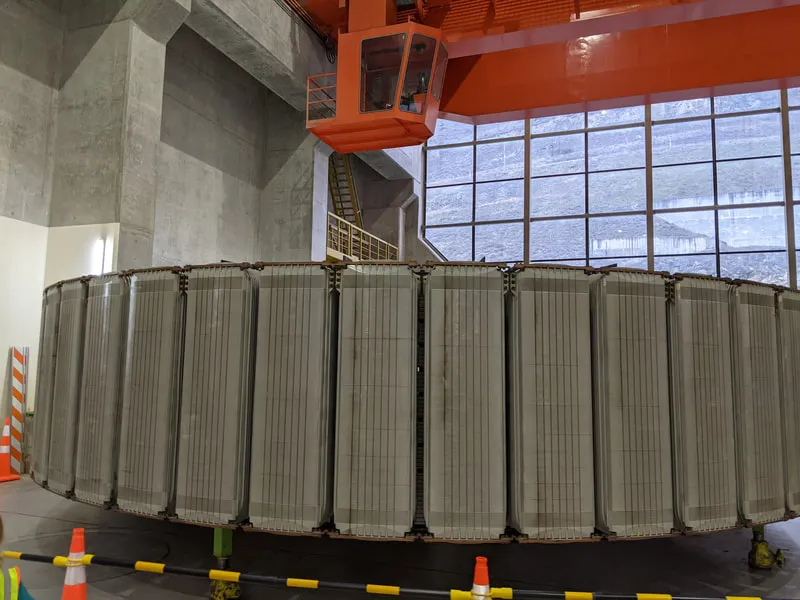
The dam stands at 100metres high and was made from 1 million cubic metres of concrete. The dam powers 4 turbines that can generate 464MW at full range. It produces roughly 3% of NZ's power and can power every house south of Clyde!
It was amazing to hear about the incredible engineering that went into making the dam and the ongoing engineering to keep it running. They are passionate about creating green energy for NZ and ensuring the safety of everyone in the area in the event of a natural disaster. With 18km of tunnels for drainage of the hillsides and hundreds of seismic metres around the dam, it puts you at ease knowing they are keeping us safe!